
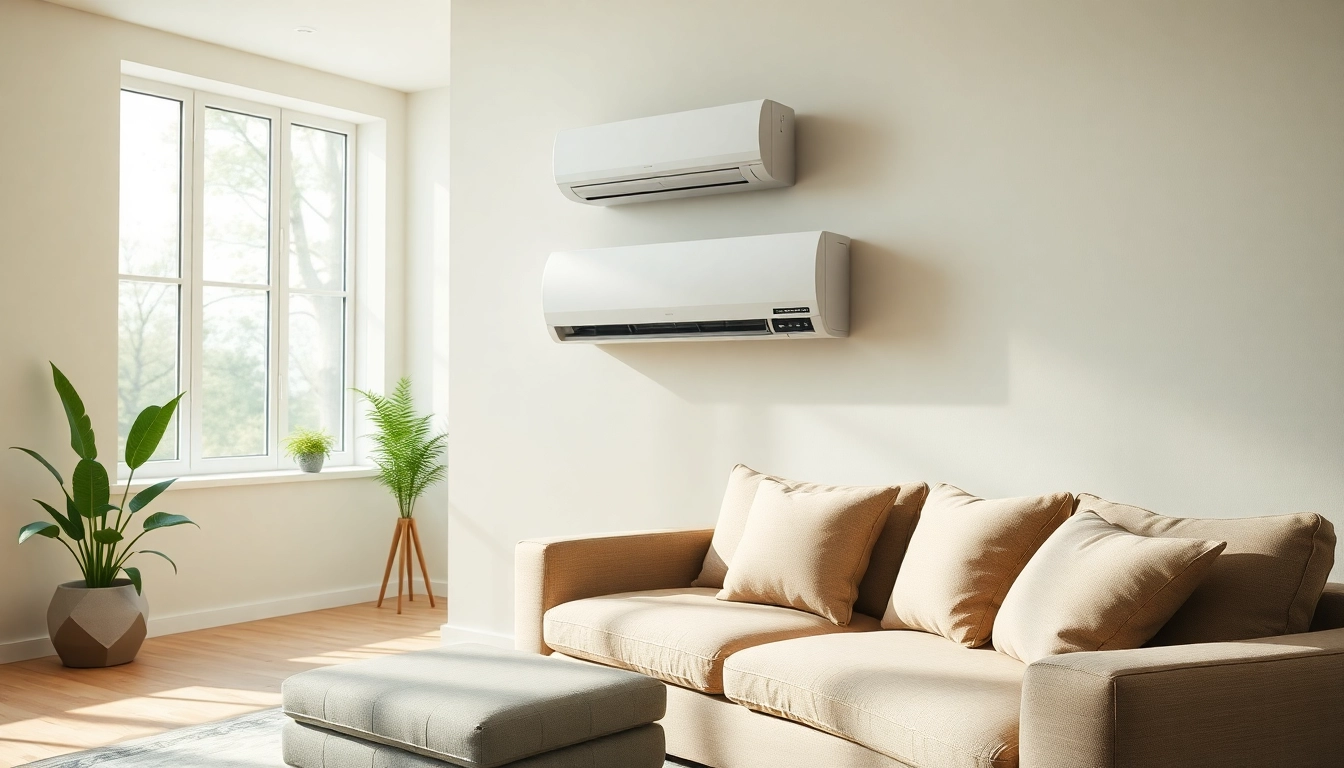
Understanding Mini Split AC Systems
What is a Mini Split AC?
A mini split AC, also known as a ductless mini-split system, is an air conditioning solution that comprises two main components: an outdoor compressor and one or more indoor air-handling units. This type of system is gaining popularity due to its flexibility, energy efficiency, and ease of installation. Unlike traditional HVAC systems that require ductwork, mini split AC systems provide targeted heating and cooling, making them ideal for homes without extensive duct systems or for specific zones within larger buildings. In essence, the mini split ac system is a streamlined approach to climate control that enhances comfort in residential and commercial settings.
Key Components of Mini Split AC
The primary components of a mini split AC include:
- Outdoor Unit: Contains the compressor and condenser, expelling heat from the refrigerant that circulates in the system.
- Indoor Unit: Typically installed on a wall, it distributes cooled or heated air throughout the space.
- Refrigerant Lines: Connect the indoor and outdoor units, allowing the transfer of refrigerant while carrying heat in and out of the building.
- Thermostats and Remote Controls: Facilitate temperature adjustments, allowing homeowners to easily control climate settings.
- Mounting Hardware: Essential for securing the indoor units on walls or ceilings to ensure stability and optimal operation.
How Mini Split AC Works
Mini split AC systems operate on the principle of heat exchange. The outdoor unit absorbs heat from the ambient air and uses refrigerant in a low-pressure gaseous state to circulate the heat through the system. As the refrigerant reaches the indoor unit, it enters a coil where it expands, reducing its pressure and temperature, thus cooling it down. The cooled air is then blown into the interior space. When switching to heating mode, the process reverses: the system absorbs heat from inside and expels it outdoors, effectively warming the indoors. This dual functionality makes mini split systems versatile for year-round comfort.
Benefits of Mini Split AC
Energy Efficiency of Mini Split AC
One of the standout features of mini split AC systems is their energy efficiency. They often come equipped with inverter technology, which allows the compressor to adjust its speed based on the heating or cooling needs of the space. This modulation reduces energy consumption significantly compared to traditional AC systems that constantly turn on and off, leading to lower monthly utility bills. The efficiency ratings, typically expressed as SEER (Seasonal Energy Efficiency Ratio), can range from 16 to 25, ensuring substantial savings over time.
Versatile Applications of Mini Split AC
Mini split AC systems can be employed in various settings. Their flexibility makes them suitable for:
- Home Additions: Perfect for expanding living spaces without extending ductwork.
- Older Homes: Ideal for properties lacking ductwork and where retrofitting may be impractical.
- Commercial Spaces: Efficient for shops, offices, and restaurants that require zoned heating and cooling.
- Garages and Workshops: Provides climate control in areas typically not serviced by conventional AC systems.
Cost Savings with Mini Split AC
In addition to their energy efficiency, mini split AC systems can lead to significant cost savings related to installation, operation, and maintenance. The absence of ductwork reduces initial setup costs. Furthermore, the efficiency of mini splits results in lower energy consumption and, by extension, reduced energy bills. Over the lifespan of the system, users often experience cost-benefit ratios significantly favoring the use of mini split technology.
Choosing the Right Mini Split AC Size
Calculating BTU Requirements
Choosing the right size for your mini split AC is crucial for optimal performance. The capacity of air conditioning systems is measured in British Thermal Units (BTUs) and is one of the key factors influencing efficiency. To calculate your BTU requirement, consider the size of the area you want to cool or heat, the height of the ceilings, the number of windows, and the number of occupants. Typically, 20 BTUs per square foot is a good starting point, but adjustments may be necessary based on specific room characteristics.
Factors Affecting Mini Split AC Size
When determining the appropriate size for a mini split AC, several factors must be considered:
- Room Size: Larger areas require higher BTU ratings.
- Insulation Quality: Well-insulated areas retain heat or cool air better, potentially requiring less capacity.
- Climate: Regions with extreme temperatures may need systems with higher BTU outputs.
- Sunlight Exposure: South-facing rooms may heat up more quickly, necessitating a more robust system.
- Occupancy: More occupants generate more heat, impacting the required capacity.
Common Sizing Mistakes to Avoid
Many homeowners make common sizing mistakes that can lead to poor performance:
- Under-sizing: A system that is too small will struggle to cool or heat properly, leading to higher energy costs and discomfort.
- Over-sizing: A unit that is too large will short-cycle, resulting in ineffective temperature control and higher operational costs.
- Ignoring Room Use: Different rooms serve different functions, and their heating and cooling needs may differ significantly.
- Neglecting Environmental Factors: Seasonal changes and local environmental conditions should influence your choice.
Installation Tips for Mini Split AC
Preparing Your Space for Installation
Before installing your mini split AC, there are several preparatory steps to ensure a smooth process:
- Decide on the number of indoor units based on the layout and usage of the spaces to be conditioned.
- Select appropriate mounting locations that allow for proper airflow, accessibility for maintenance, and minimal obstruction.
- Ensure ample space for the outdoor compressor unit, taking noise levels and proximity to trees or fences into consideration.
- Prepare the necessary electrical and drainage connections to ensure compliance with local codes.
Professional vs DIY Installation of Mini Split AC
When it comes to installation, homeowners have the option to either hire a professional or attempt a DIY project. Professional installations guarantee a level of expertise and compliance with local regulations. They can also provide warranties for their work. Conversely, a DIY installation can save costs but requires a level of comfort with tools and technical know-how. It’s essential to weigh the benefits against the risks to ensure optimal system performance.
Post-Installation Considerations
After installation, monitor your mini split AC closely during the first few weeks of operation. Here are a few post-installation considerations:
- Check for leaks around connections to ensure the refrigerant is contained.
- Ensure that both indoor and outdoor units are clean and free from debris that might obstruct airflow.
- Adjust the thermostat settings according to seasonal needs for optimal efficiency.
- Schedule regular maintenance checks to uphold system performance.
Maintaining Your Mini Split AC
Regular Maintenance Best Practices
To ensure longevity and efficiency, regular maintenance of your mini split AC is essential. Some best practices include:
- Cleaning the air filters monthly to facilitate airflow and improve air quality.
- Checking and cleaning the outdoor unit regularly to prevent debris buildup that impacts performance.
- Inspecting refrigerant lines and connections for any signs of wear or damage.
- Scheduling professional maintenance twice a year to inspect critical components comprehensively.
Common Issues and Troubleshooting
Even with regular maintenance, you may encounter issues with your mini split AC. Common problems include:
- Inadequate Cooling: Check the filters and outdoor unit for blockages or clean the evaporator coil.
- Unusual Noises: Inspect the unit for loose components or foreign objects that could be causing disturbances.
- Leaking Water: Clogged drainage may cause water to leak; clear the drain the line to restore flow.
- Inconsistent Performance: Check for refrigerant levels and inspect electrical connections for issues.
When to Call a Professional for Mini Split AC Repair
While simple maintenance can often be handled by homeowners, certain situations warrant the expertise of a professional. If there are persistent issues such as significant refrigerant loss, electrical failures, or failure to start, it’s time to call in an expert. Additionally, professional technicians can perform a deep cleaning of internal components that may not be accessible during regular maintenance.
FAQs about Mini Split AC
1. How long do mini split AC systems last?
With proper maintenance, mini split AC systems typically last around 15 to 20 years, providing reliable climate control throughout their lifespan.
2. Can I install a mini split AC myself?
While DIY installation is possible, it’s recommended to hire a professional to ensure proper setup and adherence to local regulations.
3. How often should I clean my mini split AC filters?
Filters should be cleaned at least once a month to maintain airflow and efficiency; more frequent cleaning may be necessary in dust-prone areas.
4. Are mini split AC systems energy efficient?
Yes, mini split AC systems are known for their energy efficiency, often featuring inverter technology that reduces energy consumption.
5. Can a mini split AC heat as well as cool?
Yes, many mini split AC systems offer both heating and cooling functions, providing versatile climate control year-round.