
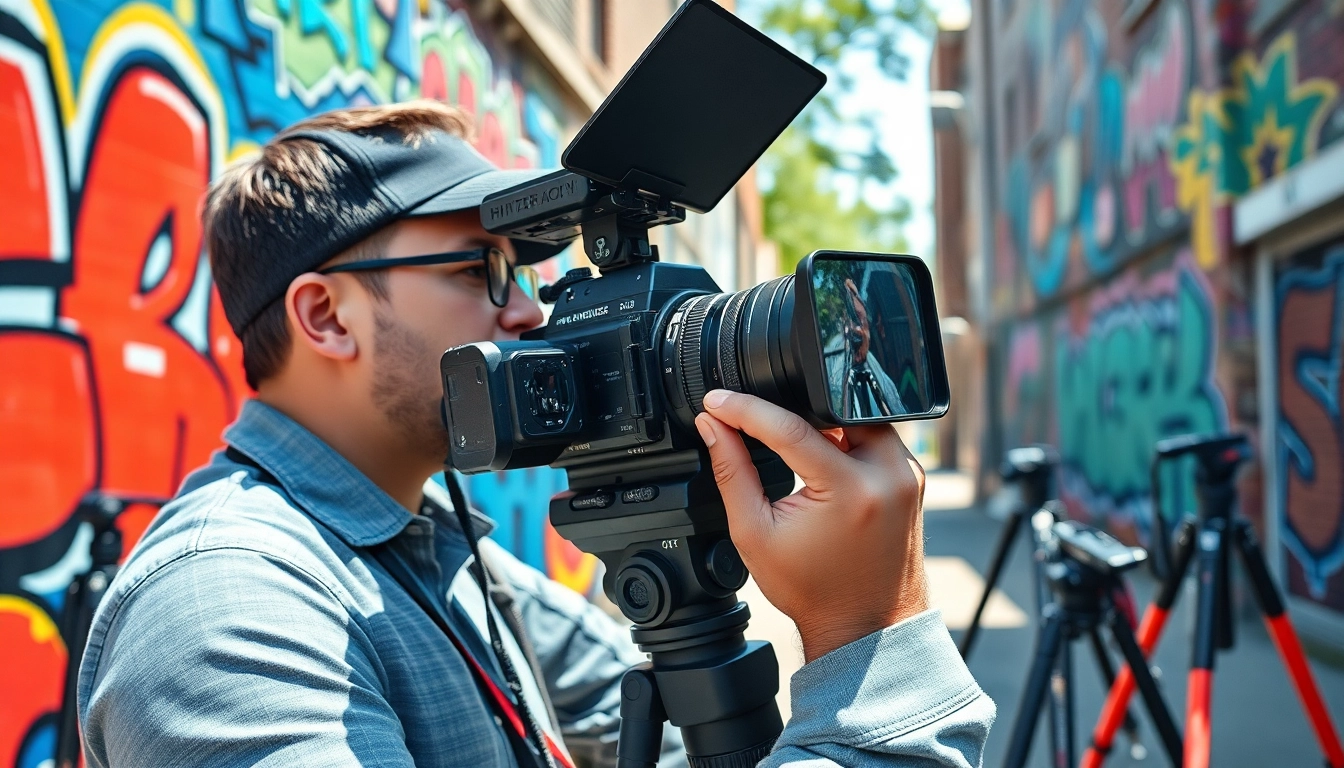
Understanding Video Production Fundamentals
What is Video Production?
Video production is a comprehensive process that involves the creation of video content from conception to final delivery. This undertaking encompasses a variety of stages, including pre-production, production, and post-production. Each phase plays a pivotal role in ensuring that the final product conveys its intended message effectively, serving diverse purposes ranging from marketing and entertainment to education and documentation. A successful video serves not only to entertain or inform but also to engage an audience, driving calls to action or fostering understanding of complex topics. For those new to this field, exploring Video Production can provide valuable insights into this extensive discipline.
Key Stages of Video Production
The video production process can be divided into three main stages: pre-production, production, and post-production. Each stage has unique tasks, goals, and challenges.
- Pre-Production: This initial phase involves planning and organizing. It includes brainstorming ideas, drafting scripts, hiring crew, casting actors, scouting locations, and budgeting. Effective pre-production is essential for a smooth filming experience.
- Production: This stage is where the actual shooting takes place. It’s a collaborative environment where directors, camera operators, and actors come together to capture the necessary footage. Attention to detail in this phase can significantly affect the quality of the final product.
- Post-Production: After filming wraps, the next phase is editing. This involves assembling the raw footage into a coherent narrative, adding visual effects, sound design, and color correction. The post-production phase is where the creative vision truly takes form.
Essential Equipment for Quality Video Production
The quality of a video is often contingent on the equipment used during production. While the latest technology can enhance video quality, understanding the essential tools is crucial for any production team.
- Cameras: A reliable camera is fundamental. DSLRs, mirrorless cameras, or professional camcorders each serve unique needs depending on the project’s scope.
- Tripods and Stabilizers: Stability is crucial for capturing smooth footage. Invest in high-quality tripods and gimbals or stabilizers to reduce shake.
- Lighting Kits: Proper lighting can significantly alter the mood and clarity of a scene. Good lighting equipment can help mitigate harsh shadows and emphasize key elements.
- Audio Equipment: Clear audio is often more important than high-quality video. Invest in decent microphones and audio recorders to enhance sound quality.
- Editing Software: Choose software that meets your specific editing needs and is compatible with your workflow. Popular options include Adobe Premiere Pro, Final Cut Pro, and DaVinci Resolve.
Planning Your Video Production
Setting Clear Objectives
Before diving into production, defining clear objectives is vital. Establish what you want to achieve with your video—whether it’s to inform, entertain, or promote a product. The objectives will guide every aspect of the production process, from the style of the video to the target audience and distribution methods. A well-defined goal serves as a compass for creativity, enabling the production team to stay focused and aligned.
Creating a Script and Storyboard
A script lays the groundwork for your video, providing dialogue and action details to adhere to during filming. Parallel to the script, a storyboard visualizes key scenes, helping the production team envision the flow of the video. Each frame can illustrate camera angles, shot composition, and transitions, helping to visualize abstract ideas and ensuring cohesiveness during filming.
Budgeting and Scheduling Your Production
Effective budgeting and scheduling are often the linchpins of a successful project. A budget should encompass all stages, including pre-production planning, equipment rental, crew salaries, and post-production edits. Similarly, creating a production schedule ensures that all team members know their roles and deadlines, minimizing chaos and enhancing productivity. Tools like Gantt charts and project management software can simplify this process.
Filming Techniques in Video Production
Camera Angles and Shots
Utilizing different camera angles and shot types can convey varying emotions and narrative styles. A few essential angles include:
- Wide Shots: Effective for establishing the setting.
- Close-Ups: Focus on subjects’ emotions, drawing viewers into personal moments.
- Over-the-Shoulder Shots: Create an intimate connection between characters as they interact.
Experimenting with angles can yield unique perspectives, enhancing viewer engagement and storytelling.
Lighting Techniques for Effective Shots
Lighting can dramatically influence the aesthetics of your video. Adequate lighting creates depth and richness, highlighting key subjects and scenes. Utilize techniques such as three-point lighting, which includes key, fill, and backlight, to achieve a professionally polished appearance. Be mindful of natural light, adjusting your shooting schedule accordingly to maximize its potential benefits.
Directing Actors and Subjects
Effective direction is critical for achieving a compelling performance. Establishing rapport with actors can facilitate better interpretations of their roles. Providing clear direction while allowing for creativity can result in more authentic portrayals. Incorporating rehearsals ensures a smoother filming process, enabling the cast to become comfortable with their roles and the setting.
Post-Production Editing Insights
Choosing the Right Editing Software
Selecting appropriate editing software is crucial for the post-production process. Options like Adobe Premiere Pro offer advanced capabilities for professional editors, while simpler programs like iMovie may suffice for those new to video editing. The software should align with your editing style, budget, and technical skills, ensuring a smooth workflow throughout the editing phase.
Adding Graphics and Special Effects
Incorporating graphics and special effects can bolster the visual appeal of your video, allowing for greater audience engagement. From simple lower thirds to intricate animations, graphics communicate information in a visually compelling way. However, it is vital to ensure that effects do not overshadow the core message; they should enhance, not distract, from your content.
Sound Design and Music Considerations
Sound design is often an underappreciated aspect of video production. Background music and sound effects can evoke emotions, set the tone, and heighten the viewing experience. Proper audio mixing ensures clarity, preventing any distractions from the content. When integrating music, consider licensing requirements to avoid copyright issues. Using royalty-free music can often be a safe and suitable option.
Marketing Your Video Production
Effective Distribution Strategies
A successful video not only requires skillful production but also strategic marketing. Various platforms offer opportunities for distributing your video, including social media channels, YouTube, and websites. Tailoring the distribution strategy to the target audience maximizes engagement. Create teasers or snippets to generate buzz before the official release.
SEO Best Practices for Videos
To ensure your video reaches the widest possible audience, implementing SEO best practices is essential. Utilizing relevant keywords in your video title, description, and tags will foster visibility on search engines. Additionally, creating a compelling thumbnail can entice viewers to click and watch your content. A transcript of the video can also enhance SEO, providing text for search engines to index.
Analyzing Audience Engagement and Metrics
Post-release, analyzing audience engagement metrics can offer invaluable insights for future projects. Platforms like YouTube and Instagram provide analytics that detail viewer statistics, watch time, and engagement rates. Understanding these metrics can inform your video-making process, allowing for better-targeted content and strategies in the future.
Frequently Asked Questions
What is the average budget for a video production project?
The average budget for video production varies widely; it can range from a few hundred to several thousand dollars, depending on the project’s complexity and scale.
How long does the video production process take?
The duration of video production can vary based on factors like script complexity and filming locations, typically ranging from a few weeks to several months.
What types of videos can be produced?
Video production encompasses various formats, including promotional videos, tutorials, commercials, documentaries, and event recaps, catering to diverse needs.
Can I do video production on a budget?
Absolutely! With the right planning and creativity, video production can be achieved on a budget by using available resources and minimizing expenses.
How important is SEO for video content?
SEO is crucial for video content as it enhances visibility, improves search rankings, and increases the potential for engagement and brand reach.