
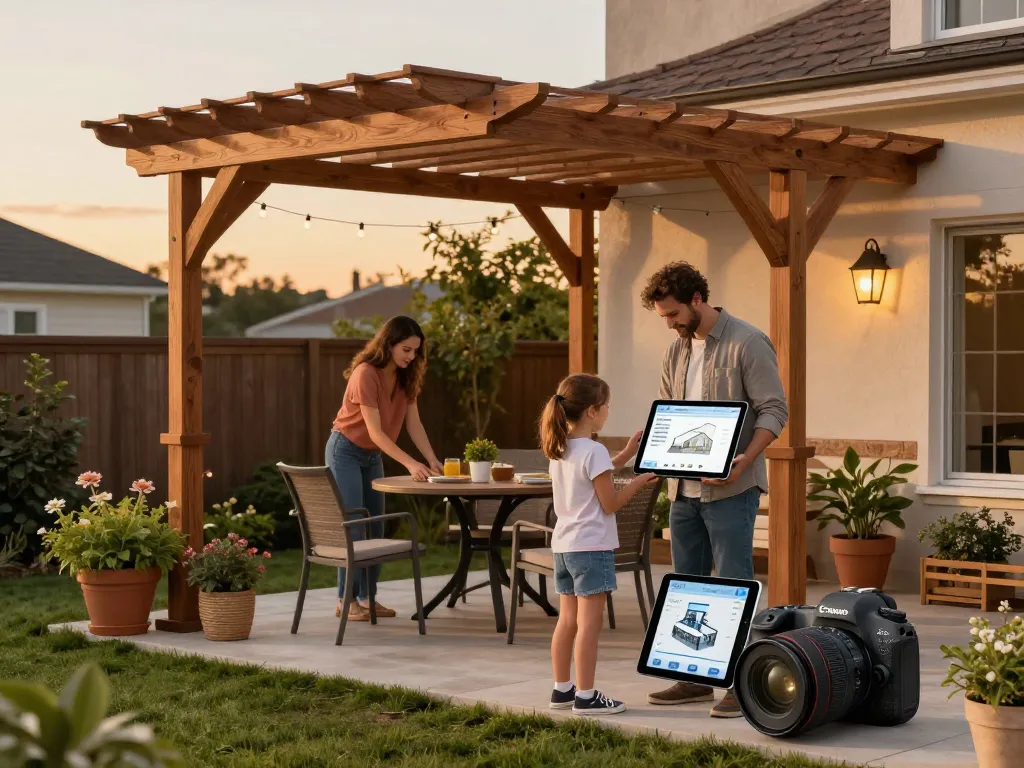
Understanding the Pergola Configurator Concept
In today’s world of outdoor living, homeowners are increasingly looking for ways to enhance their gardens and patios. A pergola serves as a stunning architectural feature that can provide shade, style, and structure to an outdoor space. However, designing one can often feel overwhelming. This is where a pergola configurator comes into play, offering a user-friendly solution that allows you to visualize and customize your design before making any commitments.
What Is a Pergola Configurator?
A pergola configurator is an online tool that enables users to design their ideal pergola by selecting various options such as size, shape, materials, and features. These configurators often employ 3D technology to allow customers to see their designs in real-time, providing a simulation of how the finished product will look in their space. They are becoming increasingly popular among homeowners who want to tailor their outdoor environments according to personal preferences and practical needs.
Benefits of Using a Pergola Configurator
- Visual Customization: Users can see their designs take shape, helping them make informed decisions about aesthetics and functionality.
- Simplified Planning: Configurators streamline the planning process, making it easier to consider dimensions, orientations, and layouts suitable for specific spaces.
- Cost-Effective: By designing your pergola online, you can avoid costly mistakes that might arise from miscalculations or aesthetic mismatches.
- Variety of Options: Many configurators offer a wide range of materials and styles, from traditional wood to modern aluminum.
Types of Configurators Available
There are various types of pergola configurators available on the market, each catering to different customer needs. Some prominent options include:
- 3D Configurators: Allow users to visualize their designs in three dimensions, offering a more realistic representation of the final product.
- Mobile Apps: Some companies provide mobile applications for quick and on-the-go design.
- Web-Based Configurators: Accessible via any browser, these tools usually offer the most features and are often free to use.
Exploring Different Pergola Designs
The versatility of pergolas means they can be designed in a variety of styles and materials, allowing homeowners to create an outdoor space that truly reflects their personality and meets their needs.
Popular Styles and Materials for Pergolas
- Wooden Pergolas: Classic and traditional, wooden pergolas can be painted or stained to match your home.
- Aluminum Pergolas: These modern structures are lightweight, durable, and often come with adjustable features like louvered roofs.
- Vinyl Pergolas: Low-maintenance and weather-resistant, vinyl is a great option for those seeking a more contemporary look.
Customization Options in Configurators
When using a pergola configurator, the scope of customization is vast. Users can typically modify the following aspects:
- Dimensions (height, width, and depth)
- Roof style (flat, arched, or sloped)
- Material choices (wood, metal, vinyl)
- Color and finish options
- Additional features (lighting, side walls, or screens)
Case Study: Success Stories from Homeowners
Many homeowners have turned to pergola configurators to create their dream outdoor spaces. For instance, a couple in suburban New Jersey used a 3D configurator to transform their backyard into a functional entertainment area. By experimenting with various designs, they settled on a large wooden pergola adorned with LED lighting. The finished product not only enhanced their outdoor aesthetic but also increased their property value.
How to Choose the Right Pergola Configurator
Selecting the right configurator can significantly enhance your design experience. With so many options available, consider the following features to make an informed choice.
Features to Look for in a Configurator
- User-Friendly Interface: A simple, intuitive interface will make the design process smoother and less frustrating.
- Extensive Customization: The configurator should offer a wide range of design options to suit your specific needs.
- Visualization Tools: Look for tools that allow you to view designs in 3D and from different angles.
Evaluating User Experience and Interface
The user experience is crucial when selecting a pergola configurator. An interface that is straightforward can save time and energy. Check out user reviews and ratings to gauge how intuitive and functional the software is. Trial periods or demos can also be very helpful in evaluating usability.
Comparing Top Pergola Configurators on the Market
Not all configurators are created equally. Some popular options include:
- Solisysteme Configurator: Known for its high-quality 3D visualizations.
- Brustor 3D Simulator: Offers a comprehensive range of features including real-time shadow analysis.
- Garden Room Planner: A strong option for those focusing on customization.
Step-by-Step Guide to Designing Your Pergola
Designing your pergola can be an exciting journey. Here’s a step-by-step guide to ensure you create the perfect outdoor feature.
Initial Planning and Measurements
Before diving into the configurator, take accurate measurements of the space where you plan to install the pergola. Consider factors such as:
- The area available for installation
- Surrounding structures and landscaping
- Sun orientation and wind patterns
Using the Configurator to Layout Your Design
Once you have your measurements, launch the configurator. Start experimenting by inputting your measurements and playing around with different styles. Take advantage of the preview feature to visualize how various options will look together.
Finalizing Materials and Features
After you have settled on a design, it’s time to finalize the materials and additional features. Consider your budget, maintenance needs, and the overall aesthetic you want to achieve. Be sure to review all your options before making a final decision.
Future Trends in Pergola Technology
The world of outdoor design is evolving at a rapid pace, and pergolas are no exception. Here are a few emerging trends to look out for.
Emerging Technologies in Outdoor Design
With advancements in materials science, we are seeing the rise of more sustainable and durable materials in pergola construction. Additionally, innovative design software is becoming more intuitive, allowing for even greater customization and user experience.
The Impact of Smart Home Integration
As smart home technology continues to gain traction, we can expect more pergolas to come equipped with integrated smart features. This could include automated louvered roofs, built-in lighting, and even weather-sensing technologies that adjust the structure based on environmental conditions.
Predictions for 2026: The Future of Outdoor Living
As we look towards 2026, the outdoor living space will continue to blur the lines between indoors and outdoors. More homeowners will seek to create outdoor rooms that mirror the comfort and amenities of their living rooms. Expect pergolas to evolve with options for integrated wiring for audio and Wi-Fi, as well as customizable aesthetics that blend with the natural environment.
Frequently Asked Questions
- What is a pergola configurator? It’s an online tool for customizing and visualizing your pergola design.
- How can I customize my pergola design? Most configurators offer options for size, style, materials, and features.
- What materials are best for pergolas? Popular options include wood, aluminum, and vinyl, each with its own pros and cons.
- Are there free pergola configurators available? Yes, many configurators are accessible for free online.
- How do I measure my outdoor space for a pergola? Take careful measurements of width, height, and depth while considering surrounding structures.