
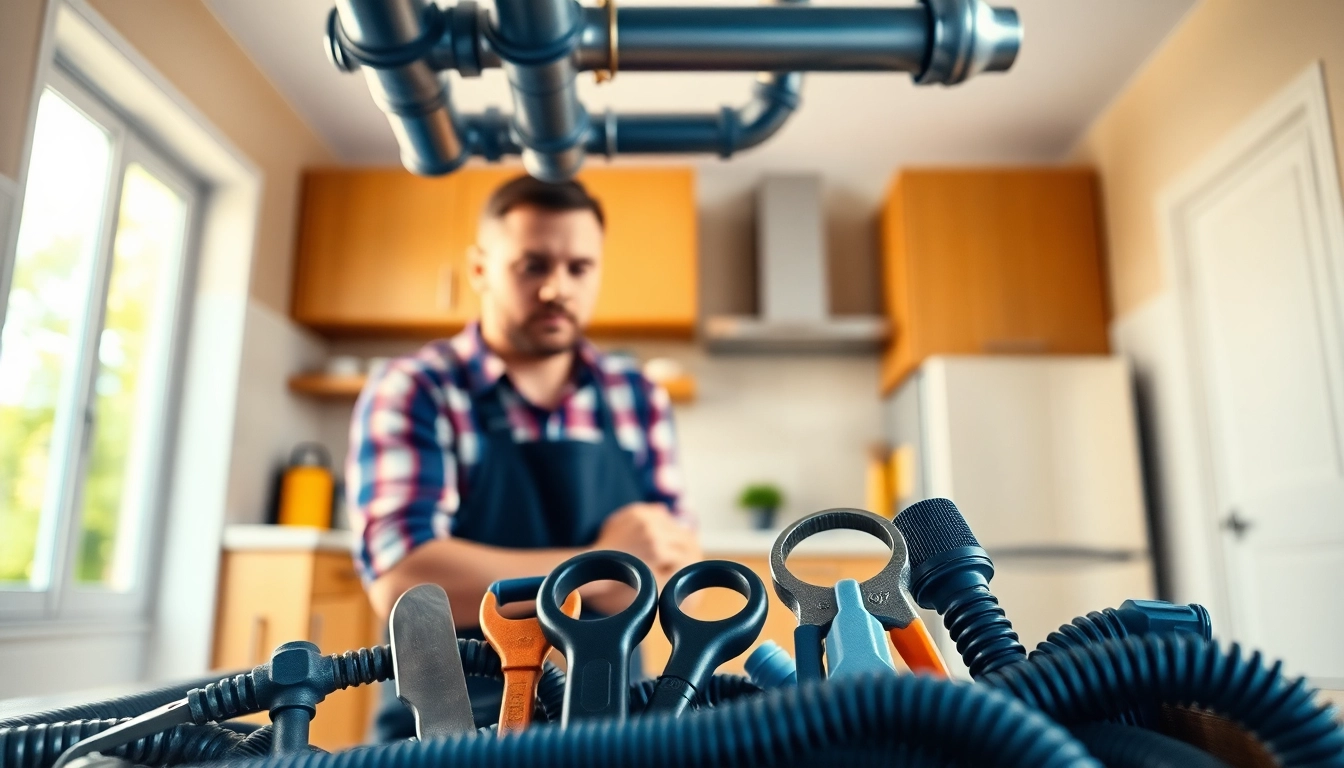
Understanding the Role of a Plumber near me
Definition and Responsibilities
A plumber is a skilled tradesperson who specializes in installing and maintaining systems used for potable (drinking) water, sewage, and drainage in plumbing systems. This profession encompasses a wide array of responsibilities that ensure the functionality and efficiency of water systems within residential and commercial properties. Basic tasks often include installation of sinks, bathtubs, and toilets, repairing leaking pipes, and clearing clogs.
In addition to these common responsibilities, a plumber is also tasked with diagnosing issues that can arise within a plumbing system. This involves identifying the source of leaks, determining the condition of pipes, and assessing the efficiency of water heating systems. Given the complexity and potential hazards associated with plumbing issues, the role of a plumber is both critical and multifaceted, which is why finding a reputable Plumber near me is essential for every homeowner.
Types of Services Offered
Pluming services vary widely, allowing plumbers to specialize in different areas. Some common services include:
- Residential Plumbing: Services focused on homes, addressing common issues like leaks, clogged drains, and bathroom renovations.
- Commercial Plumbing: Larger scale plumbing work for businesses, including installation of extensive piping networks and fixtures.
- Emergency Plumbing: Immediate assistance for urgent plumbing issues, such as burst pipes or severe leaks that require quick intervention.
- Sewer and Drain Services: Specialized services that include clearing clogs, repairing sewer lines, and conducting inspections.
- Water Heater Installation and Repair: Expertise in the maintenance and installation of water heating devices, whether tankless or traditional.
Importance of Licensed Professionals
Hiring a licensed plumber is crucial for ensuring reliable service and compliance with local plumbing codes. Licensed professionals have undergone extensive training and testing, equipping them with a solid understanding of plumbing systems and safety protocols. Working with an unlicensed individual can lead to poor workmanship and may result in legal repercussions for improper installations. Furthermore, licensed plumbers are typically insured, protecting homeowners from potential liabilities or damages that may occur during the job.
How to Search for a Plumber near me
Using Online Directories and Reviews
With the rise of digital technology, finding a reliable plumber has become easier than ever. Websites like Yelp, Angie’s List, and Google My Business provide directories and customer reviews that can help you locate a reputable plumber nearby. When using these platforms, consider the overall rating, number of reviews, and the dates they were posted — recent reviews are generally more indicative of a plumber’s current performance. Look for patterns in feedback, such as common praises or complaints.
Asking for Recommendations
Word-of-mouth remains one of the most effective methods for finding a trustworthy plumber. Asking friends, family, or colleagues for recommendations can provide insight into local professionals who have provided satisfactory services. Personal experiences can help you gauge reliability, professionalism, and quality of work. Additionally, social media platforms and community forums offer opportunities to connect with others who may share their experiences regarding plumbing services.
Evaluating Qualifications and Experience
When you have a shortlist of potential plumbers, it’s essential to evaluate their qualifications and experience. Consider the following:
- Licensing: Ensure they have the proper licenses required by your state or local government.
- Experience: Look for plumbers who have been in the industry for several years, as experience often translates to better service.
- Specialization: Some plumbers may specialize in certain types of work. Verify that their expertise aligns with your plumbing needs.
- Insurance: Make sure they carry liability insurance to protect you from damages that could occur during the job.
Common Plumbing Issues and Solutions
Leaking Pipes: Identification and Repair
Leaking pipes can lead to significant damage if not addressed promptly. Identifying a leak involves checking for water stains on walls and ceilings, and inspecting under sinks for moisture. Regular inspection is key to catching leaks early. If a leak is detected, turning off the water supply and calling a plumber immediately is essential to prevent further damage. A professional plumber will likely use methods such as pipe inspection cameras to locate the leak and recommend repairs or replacement.
Clogged Drains: Prevention and Treatment
Clogged drains are a common nuisance that can disrupt household activities. Prevention is often as simple as being mindful of what goes down your drains. Avoid allowing grease, hair, and food particles to wash down the sink. For treatment, many homeowners rely on DIY methods, such as using a plunger or a mix of baking soda and vinegar to clear minor clogs. However, persistent clogs may require a plumber who can use specialized tools like a snake or hydro-jetting for more effective results.
Water Heater Problems: Signs and Fixes
Water heater issues can manifest in various ways, such as fluctuating water temperatures, strange noises, or leaks. Signs that indicate water heater problems should not be ignored, as they can lead to further complications. Regular maintenance checks can prolong the lifespan of your water heater and ensure it operates efficiently. If issues arise, contacting a qualified plumber to diagnose and fix the problem is vital. They can perform necessary repairs or suggest replacement options if your unit is beyond repair.
Evaluating Estimates and Costs
Understanding Cost Factors
Plumbing costs can vary widely based on several factors, including the type of service required, the plumber’s experience, and your geographical location. Understanding these elements can enable you to budget wisely. For example, emergency plumbing may incur higher rates due to the urgency of the service. Additionally, more complex repairs can lead to increased labor costs. Always ask for a detailed breakdown of costs to ensure transparency before work begins.
Comparing Multiple Quotes
When seeking plumbing services, acquiring multiple quotes from different plumbers is advisable. This practice will not only give you an idea of the average market rate, but it can also help you identify any outliers — either significantly low quotes that may indicate poor service or extremely high ones that are not justified. When comparing quotes, focus on the scope of work proposed and make sure each estimate covers the same services to ensure an accurate comparison.
Negotiating and Saving on Services
Many homeowners may not realize that some aspects of plumbing services can be negotiated. Don’t hesitate to discuss estimates or ask about discounts — especially if you are a repeat customer. If a plumbing issue can wait, schedule services during off-peak times, when plumbers may offer lower rates. Furthermore, regular maintenance to prevent bigger issues down the line can save you money in the long run.
Maintaining Your Plumbing System
Regular Inspection and Maintenance Tips
Regular inspection and maintenance of your plumbing system help prevent costly repairs and extend the lifespan of your fixtures. Homeowners can perform simple checks, such as ensuring there are no leaks under sinks, monitoring water pressure, and inspecting outdoor hoses. It’s advisable to schedule professional plumbing inspections at least once a year to catch issues early. During these inspections, plumbers can assess water quality and the condition of pipes, making recommendations for necessary repairs or upgrades.
Identifying Signs of Potential Issues
Being vigilant in identifying signs of potential plumbing problems can save you from significant headaches in the future. Common signs include slow drains, unusual noises from pipes, and visible water stains. If you notice sudden changes in water pressure or unexpected increases in your water bill, these may also signal underlying issues. Regularly addressing these signs with the help of a professional plumber can prevent small issues from escalating into major problems.
Creating a Relationship with Your Plumber near me
Building a strong relationship with your plumber can yield numerous benefits. A plumber who knows your system can provide more personalized service and may be more responsive to emergencies. Additionally, they can give you valuable advice on maintenance and offer insights into future plumbing needs as your home evolves. Regular service calls not only ensure your plumbing system is in good shape but can also help you establish trust and comfort with your chosen professional.
FAQs
What should I do if I have a plumbing emergency?
In a plumbing emergency, turn off the water supply and call a licensed plumber immediately to prevent further damage.
How can I tell if my plumber is licensed?
Verify if your plumber has a license by checking with your state’s licensing board or asking for their license number directly.
What is the average cost for plumbing services?
The average cost can vary widely based on location and job complexity, but it typically ranges from $150 to $500 for standard services.
How often should I have my plumbing inspected?
It is recommended to have your plumbing inspected at least once a year to catch issues before they become major repairs.
What are some signs that indicate I need a plumber?
Signs include persistent leaks, slow drains, low water pressure, and unusually high water bills, signaling potential plumbing issues.